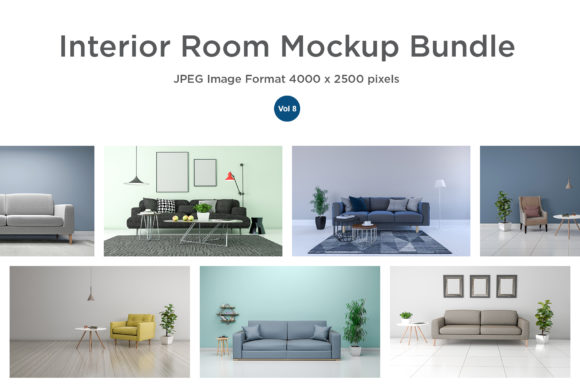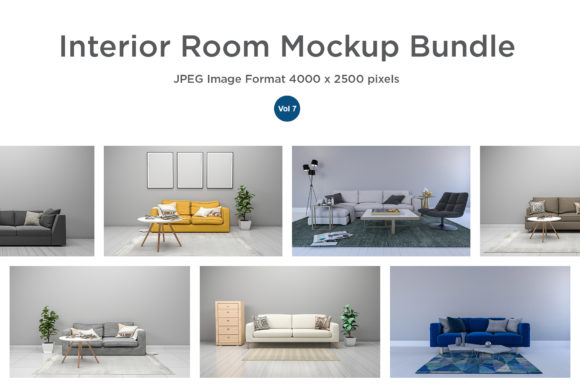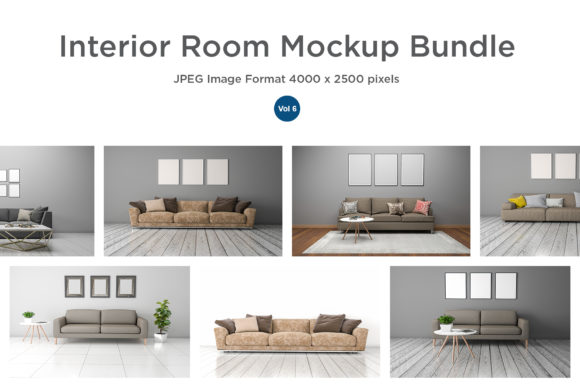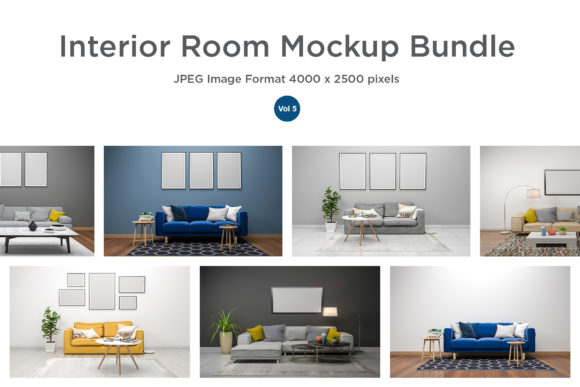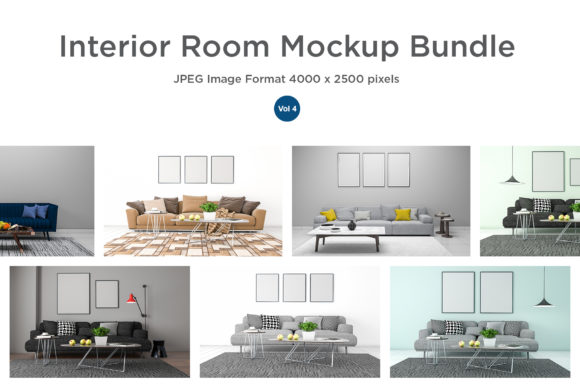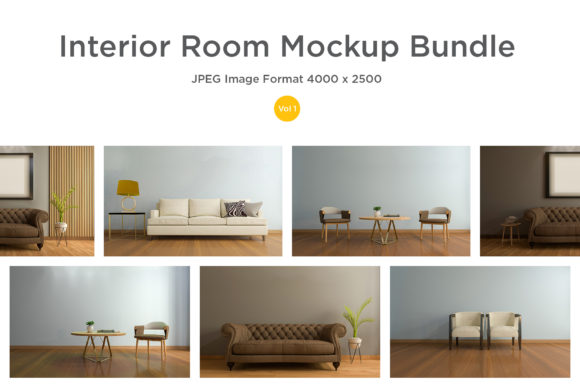
3D Rendered of Interior Living Room V-1
In the modern digital landscape, visual communication is no longer just an aesthetic choice; it is a fundamental business necessity. For entrepreneurs, designers, and content creators, the ability to present a product or idea in a realistic, inviting context can be the difference between a casual scroll and a committed click. This is where high-quality 3D Rendered of Interior Living Room V-1 enters the conversation. It represents more than just a static image; it is a strategic asset designed to bridge the gap between abstract concepts and tangible reality.
The concept behind this specific bundle—part of the 10 Images 3D Interior Room Mockup Bundle Vol – 1—is rooted in practicality. These are not merely decorative backgrounds but functional tools for branding your creation or business. Whether you are a shop owner showcasing home decor, an artist displaying framed prints, or a blogger documenting interior design trends, these mockups provide the perfect canvas. They allow creators to place their designs into a believable environment, helping potential customers visualize how a product would look in their own lives.
The Evolution of Digital Presentation
Gone are the days when a simple flat-lay photograph was sufficient to capture attention. As consumer expectations have risen, so too has the demand for immersive, high-fidelity visuals. The shift toward remote work and online marketplaces has accelerated this trend. People cannot physically touch or see products before buying them, so they rely heavily on visual cues to gauge quality, scale, and style. This reliance has made photorealistic 3D rendering an essential component of modern marketing strategies.
The technology behind 3D Rendered of Interior Living Room V-1 reflects this evolution. Modern rendering engines can simulate lighting, texture, and depth with astonishing accuracy. A living room scene is particularly effective because it is a universal space. Almost everyone has experience with a living room, making it easy for viewers to project themselves into the image. When a designer places a poster, a piece of furniture, or a decorative object into this rendered space, the brain accepts it as plausible. This psychological ease is what makes interior mockups so powerful for advertising.
Furthermore, the production of these assets has become more accessible. In the past, creating such environments required expensive studio setups, professional photographers, and extensive post-production time. Today, digital mockups offer a cost-effective alternative. They allow small businesses and freelancers to compete visually with larger corporations by providing polished, professional-grade imagery without the overhead costs of physical photoshoots.
Why Interior Living Room Mockups Matter for Branding
Branding is about consistency and trust. When a brand presents its products in a cohesive, high-quality setting, it signals professionalism and attention to detail. The 3D Rendered of Interior Living Room V-1 provides a neutral yet stylish backdrop that complements rather than competes with the featured item. This balance is crucial. If the background is too busy, the product gets lost; if it is too sterile, the viewer fails to connect emotionally.
For artists and creatives, these mockups serve as a portfolio enhancement. Displaying artwork in a simulated gallery wall within a living room helps clients understand the scale and ambiance of the piece. It transforms a two-dimensional image into a three-dimensional experience. Similarly, for shop owners selling prints, frames, or home accessories, these mockups reduce the friction of purchase. Customers can instantly see how a chosen frame might look above a sofa or next to a window, reducing uncertainty and increasing conversion rates.
The versatility of these images also supports diverse marketing channels. From social media posts to email newsletters, from website banners to print catalogs, the same high-resolution mockup can be adapted to fit various formats. This flexibility is invaluable for marketers who need to maintain a consistent visual identity across multiple platforms while saving time on content creation.
Technical Specifications and Practical Usage
One of the standout features of the 10 Images 3D Interior Room Mockup Bundle Vol – 1 is its technical robustness. Each of the 10 JPG Image mockups is provided at a resolution of 4000 x 2500 pixels. This high resolution is critical for several reasons. First, it ensures clarity even when images are viewed on high-density displays, such as Retina screens or 4K monitors. Second, it allows for significant cropping and resizing without compromising quality. A marketer might use a wide shot for a website header and crop a section for a mobile advertisement, all from the same source file.
The inclusion of ten distinct variations within the bundle offers further advantage. Instead of repeating the same background for every product launch, creators can rotate through different angles, lighting conditions, and decor styles. This variety keeps visual content fresh and engaging for returning audiences. It prevents "banner blindness," a phenomenon where users ignore repetitive ad placements. By varying the context, brands can sustain interest and encourage deeper engagement with their content.
Using these mockups is straightforward. Most come with smart object capabilities in design software like Adobe Photoshop, allowing users to drag and drop their own designs onto the designated areas. The rendering engine automatically adjusts perspective, shadows, and lighting to match the new input. This seamless integration means that even those with limited technical skills can produce professional-looking results. The focus remains on the creative aspect—designing the product or art—rather than the logistical challenge of setting up a virtual scene.
Adapting to Changing Creative Workflows
The rise of remote collaboration and distributed teams has changed how creative projects are executed. Designers often need to share mockups with clients or team members quickly, without waiting for physical prototypes. Digital mockups facilitate this rapid iteration. A designer can create a concept, render it in a 3D Rendered of Interior Living Room V-1 scene, and share it for feedback within hours. This speed accelerates the design process, allowing for more experimentation and refinement.
Additionally, the sustainability aspect of digital mockups cannot be overlooked. Traditional photoshoots often involve waste—single-use props, packaging materials, and energy consumption from travel and equipment. Digital rendering eliminates much of this physical footprint. For environmentally conscious brands, offering digital-first visual content aligns with broader corporate social responsibility goals. It demonstrates a commitment to efficiency and reduced resource usage.
Moreover, the accessibility of these tools democratizes design. Hobbyists and beginners can now access the same level of presentation quality as established professionals. This leveling of the playing field encourages more people to enter the creative economy. As more individuals share their work using high-quality mockups, the overall standard of visual communication improves, benefiting consumers who enjoy richer, more informative content.
Strategic Recommendations for Creators
To get the most out of the 3D Rendered of Interior Living Room V-1, creators should approach these assets with intentionality. Here are some practical recommendations:
- Maintain Color Harmony: Ensure that the colors in your design complement the tones of the living room. Clashing palettes can distract from the product. Use color theory to create a cohesive look that feels natural.
- Focus on Lighting Consistency: Pay attention to the light source in the 3D render. Your added elements should reflect similar lighting conditions. Shadows and highlights must align to maintain realism.
- Vary Your Angles: Utilize the ten different images in the bundle to show your product from multiple perspectives. This helps customers understand the form and function of the item better.
- Contextualize the Product: Don’t just place the item in the room; think about why it belongs there. Does it fit the lifestyle depicted? Adding subtle contextual clues can enhance the narrative appeal of the image.
- Optimize for Web: While the source files are high-resolution (4000 x 2500 pixels), ensure you export optimized versions for web use to maintain fast loading times. Balance quality with performance.
By following these guidelines, creators can leverage the power of 3D rendering to tell compelling stories about their brands. The 10 Images 3D Interior Room Mockup Bundle Vol – 1 is not just a collection of pictures; it is a toolkit for enhancing visual storytelling. It empowers users to present their work in the best possible light, connecting with audiences on a deeper, more intuitive level.
Looking Forward
As technology continues to advance, we can expect even greater realism and interactivity in digital mockups. Augmented reality (AR) may soon allow customers to view these 3D renders in their actual spaces via smartphone cameras. However, the foundation of this future lies in the high-quality, realistic base images we have today. The 3D Rendered of Interior Living Room V-1 serves as that foundation. It represents the current peak of accessible, high-fidelity design assistance.
For professionals and hobbyists alike, investing time in mastering these tools is a wise decision. The skills learned in manipulating these mockups translate directly to other areas of graphic design, marketing, and visual arts. As the digital marketplace becomes increasingly crowded, the ability to stand out through superior visual presentation will remain a key competitive advantage. Embracing resources like this bundle is a step toward building a stronger, more visible brand presence in the years to come.