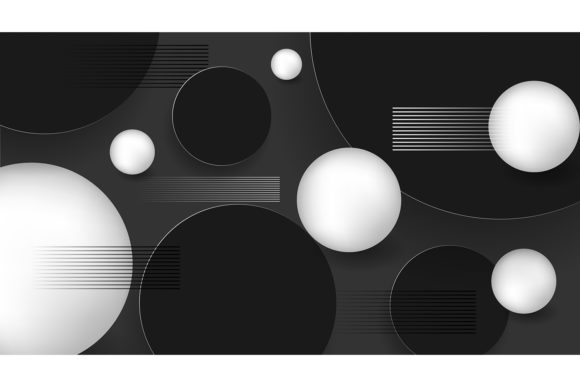
3d Ball Background with Circles and Line
In the landscape of modern digital design, visual hierarchy and depth are critical components that separate professional-grade assets from amateur attempts. The 3d Ball Background with Circles and Line represents a specific aesthetic choice that leverages geometric abstraction to create a sense of three-dimensional space on a two-dimensional plane. This type of asset is not merely a decorative element; it is a structural tool that designers use to guide the viewer’s eye, establish brand identity, and add sophistication to various media formats. For professionals researching vector backgrounds for their next project, understanding the technical specifications, application scope, and strategic value of this asset class is essential before making a selection.
Understanding the Asset Composition
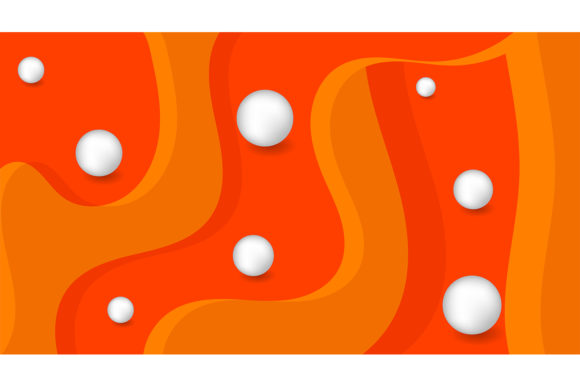
The term "3d Ball Background with Circles and Line" describes a composite graphic structure. At its core, it utilizes spherical forms (balls) rendered with shading, gradients, or lighting effects to simulate volume and depth. These spheres are often arranged in patterns or scattered across the canvas, intersected or framed by linear elements such as strokes, paths, or connecting lines. The inclusion of circles adds a layer of geometric harmony, while the lines provide direction and movement.
What distinguishes high-quality versions of this asset is the underlying file format. When evaluating options, it is crucial to identify whether the product is a raster image (like JPEG or PNG) or a vector graphic. Premium offerings in this category typically come as VECTOR EPS 10 files. This ensures that all graphics are 100% vector-based, meaning they are constructed using mathematical equations rather than pixels. This distinction is vital because vector graphics can be scaled to any size without loss of quality, making them suitable for everything from mobile app icons to large-format billboards.
Primary Applications and Use Cases
The versatility of the 3d Ball Background with Circles and Line makes it a strong candidate for a wide array of design projects. Its abstract nature allows it to serve as a neutral yet engaging backdrop that does not overpower foreground content. Below are key areas where this asset proves particularly effective:
- Social Media Graphics: Platforms like Instagram, LinkedIn, and Facebook benefit from clean, modern aesthetics. A 3D background provides a polished look for profile covers, post templates, and story highlights, helping brands stand out in crowded feeds.
- Web Design and Digital Displays: Websites require backgrounds that load quickly but still convey depth. Vector-based backgrounds are lightweight compared to high-resolution photos. Additionally, these designs work well on digital kiosks, lobby displays, and corporate screens where sharp lines and vibrant colors enhance readability and engagement.
- Print Materials: From business cards and brochures to posters and banners, the ability to edit colors and scales is paramount. A vector background ensures that print materials remain crisp at any resolution, maintaining brand integrity across different media.
- Digital Paper and Covers: For creators designing ebook covers, podcast art, or custom stationery, this background offers a contemporary feel. The interplay of spheres and lines can symbolize connectivity, innovation, and structure, themes often associated with technology, finance, and consulting sectors.
Evaluating Technical Benefits
When comparing this asset against other background types, several technical advantages emerge, primarily centered around flexibility and editability.
Full Editability via Adobe Illustrator
The most significant practical benefit of a vector-based 3D ball background is its compatibility with industry-standard software like Adobe Illustrator. Upon downloading the file, users can open it directly to manipulate individual components. This includes:
- Color Customization: All object colors are editable. If a brand’s color palette changes, the entire background can be updated instantly without needing to recreate the design from scratch.
- Structural Adjustments: Designers can move, resize, or delete specific balls, circles, or lines to better fit their layout needs. This modularity allows for a tailored solution rather than a one-size-fits-all approach.
- Layer Management: Well-organized vector files allow designers to isolate elements, making compositing with other graphics easier and more efficient.
Scalability and Resolution Independence
Unlike raster images, which become pixelated when enlarged, vector graphics maintain their sharpness. This is particularly important for responsive web design, where assets must adapt to various screen sizes, and for print projects that may require large-scale output. The assurance that the download includes 100% vector graphics eliminates the risk of low-resolution artifacts in final deliverables.
Considerations and Potential Tradeoffs
While the 3d Ball Background with Circles and Line offers numerous benefits, it is important to consider potential limitations to ensure it aligns with your specific goals.
Software Requirements
The primary tradeoff is the requirement for vector editing software. While the preview is provided in JPEG format for quick visualization, full utilization of the asset requires access to Adobe Illustrator or compatible vector software (such as Affinity Designer or Inkscape). Users who only utilize basic photo editors like Photoshop or Canva may find it difficult to fully exploit the editable features unless they convert the vectors to raster layers, which sacrifices scalability.
Aesthetic Suitability
The geometric and abstract nature of this background may not suit every brand identity. Brands aiming for a rustic, organic, or highly emotional aesthetic might find the precise lines and perfect spheres too clinical or tech-oriented. It is best suited for industries such as technology, finance, healthcare, education, and corporate services, where concepts of precision, connection, and modernity are valued.
Content Contrast
Because the background contains multiple elements (spheres, lines, circles), there is a risk of visual clutter if text is placed directly over busy areas. Designers must carefully consider typography placement, ensuring sufficient contrast and negative space to maintain readability. This requires a bit more planning than using a solid-color or simple gradient background.
Decision-Making Insights: Is This Right for You?
To determine if the 3d Ball Background with Circles and Line is the right choice for your project, consider the following questions:
- Do you need scalability? If your design will be used across both digital and large-format print mediums, the vector format is non-negotiable.
- Is brand consistency a priority? If you anticipate needing to update the colors or layout frequently, an editable EPS file offers long-term value and cost savings compared to buying new static images for each campaign.
- Does your audience respond to modern aesthetics? If your target demographic values innovation, clarity, and structured design, this background will resonate well.
- Do you have the necessary tools? Ensure you have access to vector editing software to take full advantage of the included features.
In conclusion, the 3d Ball Background with Circles and Line is a robust, flexible asset designed for efficiency and impact. By offering 100% vector graphics, editable colors, and compatibility with Adobe Illustrator, it empowers designers to create cohesive, professional visuals across a wide spectrum of applications. Whether for social media, websites, or print collateral, this background provides a solid foundation for modern design projects, provided the user has the technical capabilities to leverage its full potential.