Evaluating 3D Stacked Liquid Shapes for Modern Digital Design Projects
In the evolving landscape of digital graphic design, visual trends shift rapidly, driven by advancements in software capabilities and changing aesthetic preferences. Among the various styles gaining traction, 3d Stacked Liquid Shapes have emerged as a versatile and visually striking element. These designs combine the fluidity of organic forms with the structural depth of three-dimensional layering, creating visuals that feel both modern and dynamic. For designers, marketers, and content creators, understanding the utility and technical advantages of this style is crucial for making informed decisions about resource acquisition and application.
This analysis explores what constitutes 3D stacked liquid shapes, how they function within different design contexts, and why their vector-based nature offers significant practical benefits over raster alternatives. By examining their applications, editable features, and comparative advantages, readers can determine if this asset class aligns with their specific creative needs.
The Anatomy of 3D Stacked Liquid Forms
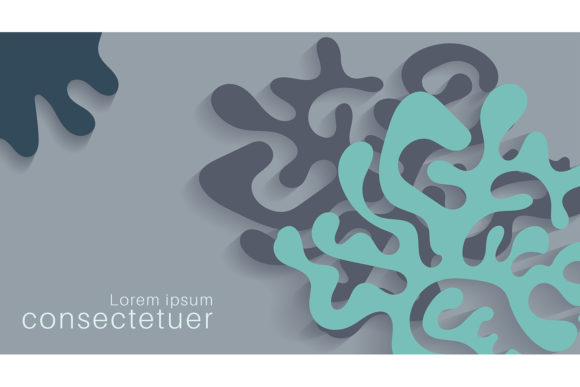
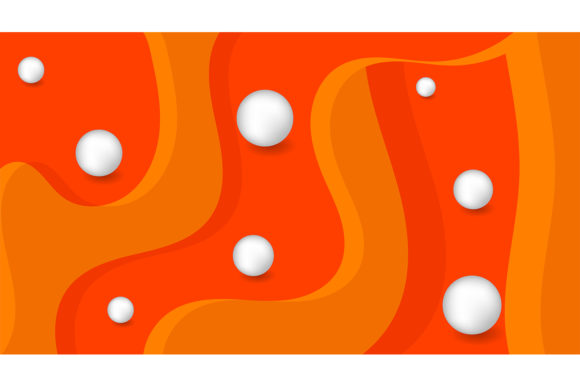
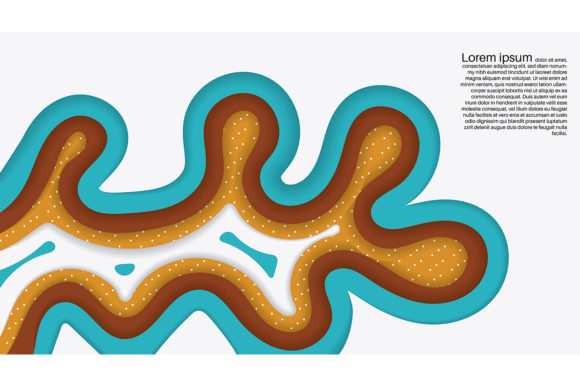
To evaluate these assets effectively, it is helpful to understand their construction. The term "3D stacked liquid shapes" refers to graphical elements that mimic the appearance of viscous fluids—such as water, ink, or molten glass—arranged in overlapping layers. Unlike flat illustrations, these shapes utilize shading, gradients, and shadowing techniques to create an illusion of depth. The "stacked" aspect implies that multiple layers are positioned to suggest volume and spatial relationship, while "liquid" denotes the smooth, curvilinear boundaries characteristic of fluid dynamics.
What distinguishes high-quality versions of these assets is their underlying structure. Premium resources often provide these shapes as VECTOR EPS 10 files. This format ensures that every curve, gradient, and edge remains crisp regardless of scale. In contrast to pixel-based images, which become blurry when enlarged, vector graphics are mathematically defined. This distinction is critical for professional workflows where assets must be resized frequently for different media, from mobile screens to large-format banners.
Technical Advantages of Vector-Based Assets
One of the primary considerations for any designer evaluating a resource pack is its editability. The specification that all graphics are 100% vector and can be edited in Adobe Illustrator represents a significant functional advantage. When purchasing or downloading design assets, the ability to modify them post-purchase extends their lifespan and versatility.
Color Flexibility
A key feature highlighted in premium packages is that all object colors are editable. In traditional stock photography or raster illustrations, altering the color palette often requires complex masking or compositing techniques that can degrade image quality. With vector-based 3D stacked liquid shapes, designers can instantly swap color schemes to match brand guidelines, seasonal themes, or specific campaign requirements without losing resolution or introducing artifacts. This flexibility reduces the need to source multiple variations of the same asset, streamlining the creative process.
Scalability Across Media
The scalability of EPS 10 files allows for seamless integration across diverse platforms. A single asset file can be utilized for:
- Digital Displays: High-resolution outputs for kiosks or LED walls.
- Social Media: Optimized crops for Instagram stories, LinkedIn posts, or Twitter headers.
- Print Materials: Business cards, posters, and brochures that require sharp edges at print resolutions.
- Web Backgrounds: Large-scale wallpapers that load efficiently due to optimized vector code.
Comparative Analysis: Vector vs. Raster Alternatives
When exploring options for background or decorative elements, designers often encounter two main categories: raster images (JPEG/PNG) and vector graphics (EPS/AI). Understanding the tradeoffs between these formats helps clarify why 3D stacked liquid shapes offered in vector format may be the superior choice for many projects.
Raster Images (JPEG/PNG)
Raster assets are composed of pixels. While they can achieve photorealistic effects, they suffer from fixed resolution. If a designer uses a raster background on a website and then decides to use the same image for a billboard, the result will likely be pixelated and blurry. Furthermore, editing specific colors or shapes within a raster image is restrictive. Once the pixels are set, modifying the underlying geometry is difficult. However, raster images can sometimes offer faster rendering times for simple web displays if not heavily detailed.
Vector Graphics (EPS 10)
Vector graphics, by definition, are resolution-independent. They remain sharp at any size. For complex designs like 3D stacked liquids, which rely on subtle gradients and smooth curves to convey depth, vectors preserve the integrity of the design. The inclusion of a sample preview in JPEG allows users to verify the visual appeal before purchase, but the actual deliverable being the vector file ensures long-term usability. This approach is particularly beneficial for agencies or freelancers who manage multiple client brands, as they can adapt one asset library to fit various color palettes and sizes without needing to recreate the artwork.
Ideal Use Cases and Applications
The versatility of 3D stacked liquid shapes makes them suitable for a wide range of design disciplines. Their abstract yet recognizable form allows them to serve as backgrounds, focal points, or decorative accents depending on how they are scaled and styled.
Branding and Identity
For startups and established brands alike, unique visual identities are paramount. Liquid shapes evoke feelings of flow, innovation, and adaptability. Using these shapes in logo concepts, business cards, or corporate presentations can communicate a modern, forward-thinking brand personality. The ability to edit colors means these shapes can be tailored to match exact brand hex codes, ensuring consistency across all touchpoints.
Marketing and Advertising
In the realm of digital advertising, attention spans are short. Bold, colorful, and dynamic visuals stand out in crowded feeds. 3D stacked liquid shapes provide visual interest without the clutter of detailed imagery. They work exceptionally well as:
- Banner Ads: Providing a clean backdrop for call-to-action buttons.
- Email Headers: Adding visual flair to newsletters.
- Social Media Covers: Creating engaging profiles for Facebook, LinkedIn, or YouTube.
UI/UX Design
User interface design increasingly incorporates depth and texture to create immersive experiences. Liquid shapes can be used as loading animations, button hover states, or background elements in app interfaces. Because they are vector-based, they can be easily animated using tools like Adobe After Effects or CSS, adding motion to static designs without compromising quality.
Decision Factors: When to Choose Vector Liquid Shapes
Selecting the right design asset depends on several factors, including project scope, technical requirements, and budget. Here is a framework for deciding if 3D stacked liquid shapes in vector format are the right choice.
Choose Vector Liquid Shapes If:
- Scalability is Required: You need the same asset for small icons and large billboards.
- Brand Consistency is Critical: You need to adjust colors frequently to match different brand guidelines.
- Editability is Needed: You want to modify the shape, add text, or combine elements with other graphics.
- Future-Proofing is Important: You want assets that remain usable as software and display technologies evolve.
Consider Alternatives If:
- Photorealism is Essential: If your project requires photographic realism that vectors cannot easily replicate, high-end raster illustrations or 3D renders might be more appropriate.
- Simple Static Use: For a one-time print job where no resizing or editing is needed, a lower-cost raster image might suffice, though vector still offers better print quality.
- Specific Textural Effects: If you need complex textures like wood grain or fabric weave that are difficult to achieve with smooth liquid gradients, other asset types may be more suitable.
Practical Workflow Integration
Integrating 3D stacked liquid shapes into a workflow is straightforward for those familiar with standard design software. After downloading the file, users receive the VECTOR EPS 10 file along with a Sample preview in JPEG. The JPEG serves as a quick reference, allowing designers to assess the visual style immediately. The EPS file can be opened directly in Adobe Illustrator, where all objects are fully editable.
Designers can experiment with layering, opacity, and blending modes to create unique variations. For instance, stacking multiple liquid shapes with varying opacities can produce complex, iridescent effects. Combining these shapes with typography requires careful consideration of contrast; since liquid shapes are often vibrant and detailed, pairing them with clean, sans-serif fonts often yields the best readability. The editable nature of the colors allows designers to mute the background shapes slightly to ensure text remains legible, a common challenge in background design.
Conclusion on Value and Utility
The market for digital design assets is saturated, making it essential to choose resources that offer maximum utility. 3D stacked liquid shapes represent a convergence of aesthetic appeal and technical efficiency. Their vector-based foundation ensures longevity and adaptability, while their fluid, organic form meets contemporary design trends. For professionals seeking to enhance their projects with modern, scalable, and customizable graphics, these assets provide a robust solution. By prioritizing editability and resolution independence, designers can save time and resources, focusing more on creativity and less on technical limitations.
Ultimately, the decision to incorporate 3D stacked liquid shapes should be guided by the specific needs of the project. Whether creating a website background, a social media campaign, or printed marketing materials, the flexibility offered by vector EPS 10 files makes them a valuable addition to any designer’s toolkit. As digital environments continue to demand higher quality and greater adaptability, assets that support these requirements will remain relevant and useful.