3D St Patricks Day Pop-Up Layered: Bringing Depth to Your Celebrations
St. Patrick’s Day is one of those holidays that feels less like a solemn observance and more like a community-wide invitation to be creative, festive, and slightly whimsical. Whether you are planning a classroom decoration, a small business promotional display, or just want to add a personal touch to your home decor, the visual impact of three-dimensional elements is hard to beat. This is where the 3D St Patricks Day Pop-Up Layered design comes into play. It transforms flat digital files into tangible, eye-catching art that stands out in a sea of two-dimensional printables.
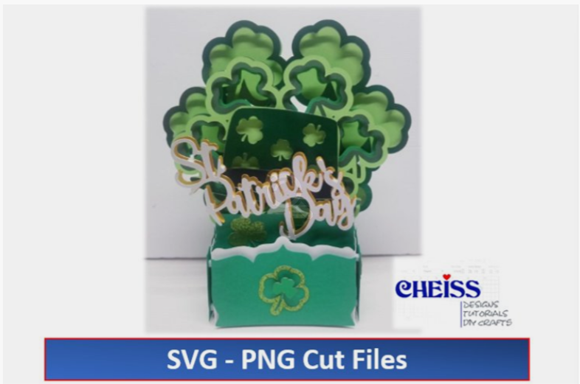
The core appeal of this resource lies in its versatility. You aren’t just getting a static image; you are receiving a zip folder containing SVG and PNG cut files designed specifically for cutting machines like Cricut or Silhouette. The design relies on layering techniques to create depth, turning simple shapes into a dynamic pop-up sign card. While the reference images often showcase the use of 65-pound cardstock for structural integrity, the beauty of digital cut files is that they can be adapted to various materials depending on your project goals.
Understanding the Digital Asset
When you download this file, you are acquiring a toolkit rather than a finished product. The package includes both SVG and PNG formats. The SVG (Scalable Vector Graphics) file is crucial if you plan to use a cutting machine. It allows you to resize the design without losing quality, ensuring that whether you are making a tiny bookmark or a large banner, the lines remain crisp. The PNG files serve as excellent reference guides, showing you how the layers should look when assembled.
It is important to note that while the design functions beautifully as a standalone pop-up sign, it can also be engineered into a greeting card format. However, buyers should be aware that the digital download does not include an envelope. This is a common oversight for new crafters who assume a "card" implies all necessary accessories. If you intend to mail these creations, you will need to source appropriate envelopes separately. The focus here is strictly on the intricate paper engineering aspect—the folding, cutting, and adhering that brings the shamrocks and leprechaun motifs to life.
Real-World Applications for Creators and Hobbyists
For the everyday crafter, the primary use case is straightforward: home decoration and gift-giving. A 3D pop-up sign makes for an impressive centerpiece for a St. Patrick’s Day dinner party. Unlike printed posters that lie flat against a wall, a layered pop-up catches light and shadow, adding texture to your room. Imagine placing a multi-layered shamrock structure on a mantelpiece or a dining table. The visual weight of the project signals effort and care, which is exactly what guests appreciate during holiday gatherings.
Beyond decor, this design serves as a thoughtful handmade gift. In an era dominated by mass-produced items, a hand-cut, layered paper sculpture carries significant emotional value. You might create a set of smaller pop-ups to give to friends or family members who have a special connection to Irish heritage or simply love quirky, colorful decor. The process of assembling the layers becomes part of the gift’s story—you spent time crafting something unique for them.
Professional and Educational Use Cases
The utility of the 3D St Patricks Day Pop-Up Layered extends well beyond the hobbyist circle. Educators, particularly those teaching elementary or middle school levels, can leverage this design for STEM (Science, Technology, Engineering, and Math) or art lessons. Paper engineering is an excellent way to teach concepts like geometry, symmetry, and structural stability. By analyzing how the layers interlock to create a standing structure, students engage with spatial reasoning skills in a hands-on manner.
For teachers, preparing these signs can be a collaborative class activity. Dividing the complex design into manageable steps allows students to practice precision cutting and careful assembly. The final result—a vibrant, green-themed display—can be used to decorate the classroom hallway, fostering a sense of pride and community among the student body. It turns a standard holiday celebration into an interactive learning experience.
Small business owners and marketers can also find value in this asset. If you run a boutique, a bakery, or a local shop, a striking 3D display can draw foot traffic. Instead of relying solely on digital ads or plain signage, a physical, eye-catching installation in your window or entryway can stop passersby in their tracks. For bakeries, this could mean creating custom cake toppers or menu displays that align with the St. Patrick’s Day theme, offering customers a memorable brand experience.
Considerations Before You Start Cutting
While the digital files make the technical barrier low, the success of your project depends on material choice and technique. As mentioned, 65-pound cardstock is the recommended reference material. This weight provides enough stiffness to hold the pop-up shape without being so thick that it tears easily or is difficult to score. If you opt for lighter paper, such as standard printer paper (20-pound), the structure may collapse under its own weight or fail to stand upright. Conversely, using very heavy cardstock (like 110-pound) might require scoring every fold line meticulously to prevent cracking.
Another critical consideration is the adhesive. When working with layered designs, the visibility of glue can ruin the aesthetic. Using a fine-tip applicator or double-sided tape dots ensures clean joins between layers. Additionally, patience is key. Layered pop-ups involve multiple pieces that must align perfectly. Rushing the assembly process often leads to misaligned edges, which detracts from the professional finish.
Furthermore, consider the environment where the finished piece will live. If it is going to be displayed outdoors or in high-traffic areas, consider laminating the pieces before cutting or applying a sealant afterward to protect the paper from moisture and handling wear. This adds durability, especially if the item is intended for commercial use or frequent handling.
Connecting with the Community
Crafting is rarely a solitary endeavor, especially when dealing with intricate designs like layered pop-ups. Engaging with other creators can provide troubleshooting tips, inspiration for color variations, and moral support when a fold doesn’t go as planned. The designers behind this asset have built a community around their work, offering spaces for users to share their results and ask questions.
You can connect with the creator, Cheiss Designs, across several platforms. On Instagram, you can follow cheissdesign for visual inspiration and updates. Pinterest users can explore boards curated by Cheiss Designs for broader ideas on paper crafts and seasonal decor. For more direct interaction, joining the Facebook page for Cheiss Designs keeps you informed about new releases. However, the most valuable resource may be the Facebook Group: Cricut Crafts with Cheiss Designs. Here, you can find real-time advice from experienced crafters who have likely encountered similar challenges with layer alignment and material selection. Sharing your finished 3D St Patricks Day Pop-Up Layered project in this group not only helps you receive feedback but also contributes to the collective knowledge base, helping others avoid common pitfalls.
Ultimately, the value of this digital download lies in its ability to bridge the gap between digital convenience and physical craftsmanship. It offers a structured yet flexible framework for celebrating St. Patrick’s Day in a way that is visually engaging and personally rewarding. Whether you are a seasoned pro looking to expand your portfolio or a beginner eager to try paper engineering, this design provides a solid foundation for creating something truly special.