Mastering the Art of 3D Layered Easter: A Comprehensive Guide to Digital Crafting and Home Decoration
The intersection of digital design and physical craftsmanship has revolutionized how enthusiasts approach holiday decor. Among the most striking trends in recent years is the creation of 3D Layered Easter decorations. These intricate pieces transform flat digital files into dimensional art, offering a sophisticated alternative to traditional flat cutouts. Whether you are a seasoned woodworker, a paper craft enthusiast, or a small business owner looking to expand your inventory, understanding the nuances of layered design is essential for producing high-quality results.
This guide explores the technical specifications, material considerations, and software compatibility required to bring these designs to life. By focusing on precision and creativity, creators can produce stunning gifts, home accents, and signage that capture the essence of the season while showcasing advanced cutting techniques.
The Anatomy of a Layered Design
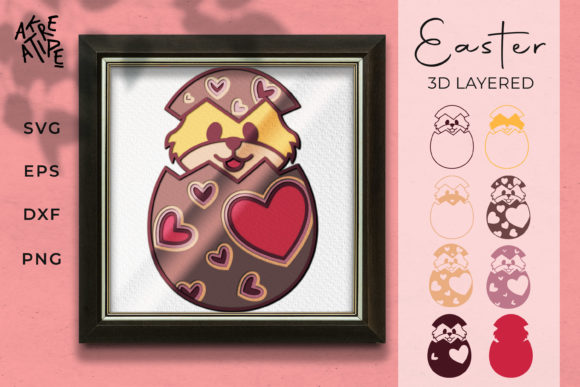
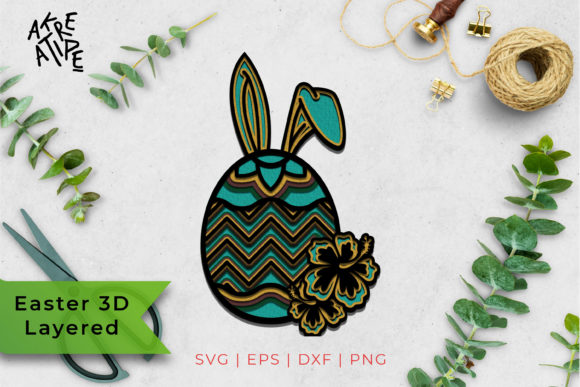
A successful 3D layered project relies heavily on the structural integrity of the digital file. The provided design set includes multiple layers, each contributing to the depth and detail of the final piece. Unlike simple single-layer cuts, these files require careful planning regarding spacing and alignment. The visual impact comes from the shadows cast between layers, which creates a sense of volume without the need for complex sculpting.
When preparing your workspace, it is crucial to ensure that your adhesive method complements the material thickness. For instance, cardstock that lifts at the edges will tear during the peeling process, ruining the delicate details. Therefore, maintaining the tackiness of your mounting mat or using high-quality double-sided tape is non-negotiable for crisp, clean edges. This attention to detail ensures that the intricate setting custom features of the design remain intact throughout the assembly process.
Material Selection for Optimal Results
The choice of material significantly influences the durability, aesthetic, and cost of your 3D Layered Easter project. Different materials interact uniquely with cutting machines, requiring specific settings and tools. Below is a breakdown of recommended materials suitable for this type of intricate work.
- Cardstock (65lb): Ideal for indoor decorations and gift tags. It offers a smooth surface that allows for fine detail reproduction. However, it requires gentle handling to prevent tearing.
- Plywood: Perfect for durable home decor items such as wall hangings or tabletop signs. Thin plywood (1/8 inch or less) works best with laser cutters and powerful blade cutters, providing a rustic yet polished look.
- MDF (Medium Density Fiberboard): A cost-effective alternative to plywood that provides a uniform surface for painting. It cuts cleanly but produces more dust, so proper ventilation is advised.
- Acrylic: Offers a modern, glossy finish. Acrylic sheets come in various thicknesses and colors, allowing for vibrant, translucent effects when backlit. Note that acrylic may require slower cutting speeds to prevent melting.
- Paper and Cardboard: Standard printer paper is suitable for prototyping, while heavier cardboard can be used for larger, sturdier displays. These materials are excellent for educational purposes or temporary event signage.
When experimenting with new materials, always perform a test cut to determine the correct power and speed settings. This practice minimizes waste and ensures that the intricate details of the 3D Layered Easter design are preserved.
Software Compatibility and File Formats
To utilize the included cut files effectively, users must match their software capabilities with the appropriate file format. The product listing provides a versatile suite of formats designed to accommodate various platforms, ensuring accessibility for both beginners and professionals.
Cutting Machine Software
For users of popular electronic cutting machines, the following formats are optimized for seamless integration:
- SVG: This format is compatible with Silhouette Studio Designer Paid Edition, Cricut Design Space, Make the Cut, Sure Cuts A Lot, and Brother Scan N Cut. SVG files retain vector data, allowing for easy resizing without loss of quality. Remember to click the “flip horizontal” button before finalizing your print job if you are using iron-on transfer paper or mirror-image requirements for specific materials.
- DXF: Primarily used with Silhouette Studio Basic Free Edition. This format is widely supported and allows basic editing functions within the free version of the software, making it accessible for hobbyists on a budget.
Graphic Design and Vector Editing
For those who wish to customize colors, add text, or modify the layout, vector-based graphic design software is recommended:
- EPS: This Encapsulated PostScript format is compatible with industry-standard applications such as Adobe Illustrator, Corel Draw, and Inkscape (free). EPS files preserve all vector paths and color information, enabling precise adjustments to the layer hierarchy.
Printing and Raster Formats
PNG: The Portable Network Graphics format is included for printing purposes or use in raster-based software. PNG files support transparency, which is useful for placing designs over different backgrounds. While PNGs do not scale infinitely like vectors, they are ideal for creating quick mockups or standard prints.
Workflow and Assembly Best Practices
Creating a cohesive 3D Layered Easter display requires a systematic approach to assembly. The following workflow recommendations will help achieve professional-grade results.
- Preparation: Organize your materials by size and color. Ensure that your cutting machine blades are sharp; dull blades can cause jagged edges, particularly in detailed areas.
- Color Coordination: The colors displayed on screen are examples. Users have the freedom to change colors according to their personal preference or brand identity. Consider using a monochromatic scheme for elegance or contrasting colors for vibrancy.
- Cutting: Load your material securely onto the cutting mat. Verify that the mat has not lost its tackiness. If the grip is weak, consider washing the mat with mild soap and water or replacing it. Weak adhesion leads to shifting, which misaligns the layers.
- Weeding: Carefully remove excess material from the cut pieces. Use tweezers for small, intricate details to avoid damaging the design.
- Layering: Start with the largest background layer and work your way up to the smallest foreground elements. Use spacers if necessary to enhance the 3D effect. Apply adhesive evenly to prevent bubbling or lifting.
- Final Inspection: Check all edges for tears or misalignments. Make any necessary corrections before displaying the finished piece.
Applications and Use Cases
The versatility of 3D Layered Easter designs allows for a wide range of applications beyond simple decoration. Creators can leverage these files to generate income or enhance personal spaces.
Gift Giving
Handcrafted layered items make thoughtful, personalized gifts. A layered wooden sign featuring a bunny or egg motif can be paired with homemade treats or placed in a decorative basket. The tactile nature of layered art adds a premium feel to the gift, distinguishing it from mass-produced alternatives.
Home Decorations
These designs serve as excellent focal points in home decor. They can be mounted on walls, placed on mantels, or used as table centerpieces. By varying the scale and material, homeowners can create a cohesive seasonal theme that extends throughout their living space. For example, a large acrylic layering might suit a modern kitchen, while a rustic plywood version complements a farmhouse-style dining room.
Event Signage
For community events, church gatherings, or corporate parties, layered signs provide clear and attractive messaging. The depth of the design ensures visibility from a distance, while the intricate details invite closer inspection. Using durable materials like MDF or acrylic ensures that the signage withstands handling and environmental factors.
Educational Projects
Educators can use these files to teach students about geometry, spatial reasoning, and digital fabrication. By analyzing the layers, students can understand how two-dimensional shapes combine to create three-dimensional forms. This hands-on approach reinforces STEM concepts in an engaging and creative manner.
Important Disclaimers and Final Notes
It is imperative to note that this listing contains a DIGITAL product. No physical items will be sent to you. The purchase grants the buyer access to an SVG, EPS, DXF for hand-cutters, and a PNG of each layered file contained in one zipped file. Buyers are responsible for acquiring their own materials and equipment.
Additionally, please remember to follow the directions on your transfer paper if using iron-on methods. Always verify the compatibility of your software and hardware before beginning a project. With careful planning and execution, the 3D Layered Easter files offer endless possibilities for creativity, allowing you to craft unique pieces that celebrate the special day with style and sophistication.