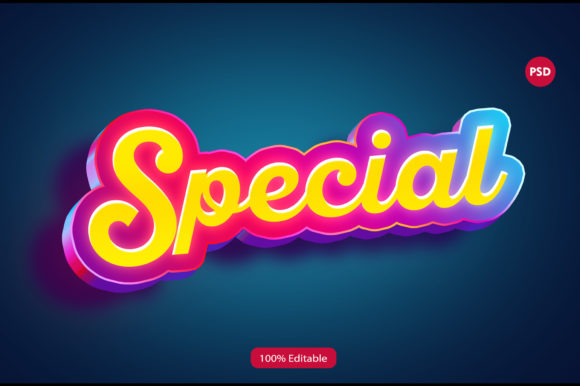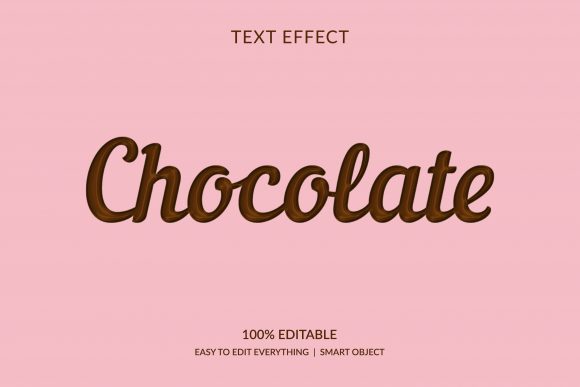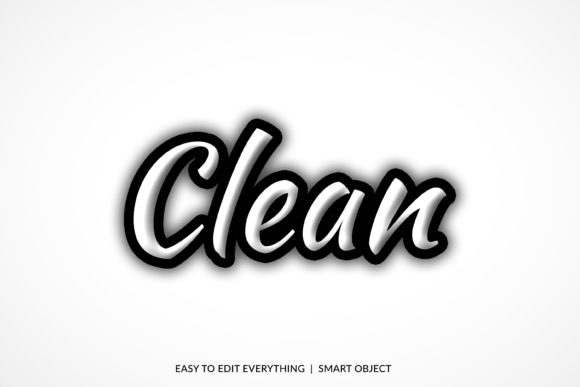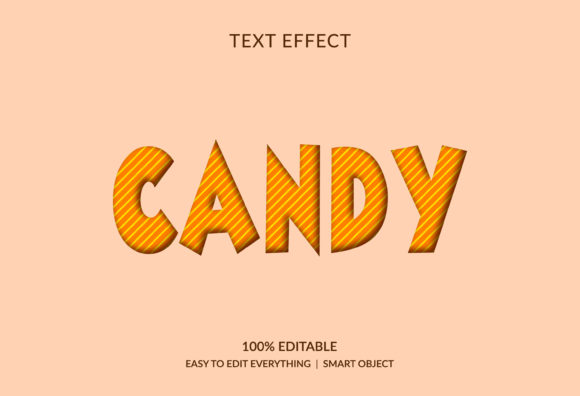
Transforming Digital Typography: The Power of the Orange 3D Jelly Oily Style Text Effect
In the fast-paced world of digital design, capturing attention within the first few seconds is not just an advantage; it is a necessity. Whether you are crafting a social media campaign, designing a corporate identity, or creating a whimsical greeting card, typography plays the pivotal role of bridging the gap between content and viewer. Among the myriad of stylistic choices available to designers, the Orange 3d Jelly Oily Style Text Effect has emerged as a standout trend that combines playful aesthetics with professional polish. This unique visual style offers a versatile solution for personal and corporate projects alike, providing a customizable canvas that can elevate any textual element from mundane to magnificent.
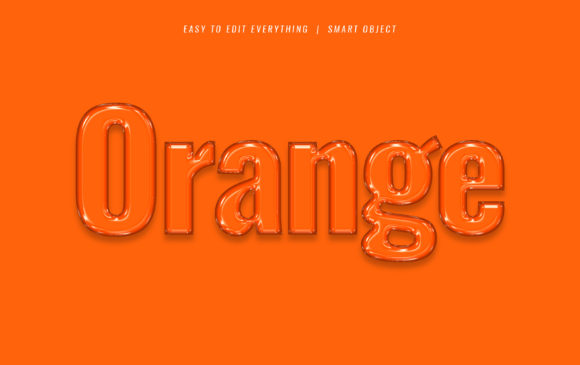
The appeal of this specific text effect lies in its ability to mimic tactile, sensory experiences through digital means. By simulating the look of glossy, translucent jelly with an oily sheen, the design creates a sense of depth and dimensionality that flat colors simply cannot achieve. It is not merely about making text "pop"; it is about creating an object that feels tangible, inviting the viewer to imagine the texture and weight of the letters. This sensory engagement is particularly effective in marketing materials where emotional connection drives conversion.
Understanding the Aesthetic: Why Orange and Why Jelly?
To truly appreciate the utility of the Orange 3d Jelly Oily Style Text Effect, one must understand the psychological and visual impact of its core components. Orange is a color inherently associated with energy, enthusiasm, creativity, and warmth. Unlike red, which can signal urgency or danger, orange is approachable and friendly. When paired with the translucent, gelatinous appearance of a "jelly" style, the result is a text effect that feels sweet, modern, and dynamic. The addition of an "oily" finish introduces a high-gloss reflection, mimicking light bouncing off a wet surface. This specular highlight adds realism and sophistication, preventing the design from looking cartoonish while maintaining its playful charm.
This combination makes the text effect suitable for a wide array of applications. For instance, in the realm of food and beverage branding, the oily-jelly look can subtly evoke freshness and flavor without being overly literal. In tech startups, it can suggest innovation and fluidity. For children’s products, it hits the right note of fun and excitement. The versatility of the orange hue allows it to be adjusted from a deep tangerine to a bright neon citrus, ensuring it fits various brand palettes.
Versatility Across Industries and Projects
One of the most significant advantages of using a pre-designed, customizable PSD file for this text effect is its adaptability. Designers often struggle with the time-consuming process of building complex 3D effects from scratch. By utilizing a high-quality template, professionals can focus on the creative direction rather than the technical execution. The specifications mentioned—such as high-resolution files at 72 PPI for web and 300 PPI for print—ensure that the final output remains crisp regardless of the medium.
- Corporate Branding: Companies looking to refresh their logo or create eye-catching headlines for annual reports can use this style to inject personality into their communications. It breaks the monotony of standard sans-serif fonts, making important announcements stand out.
- Event Invitations and Greetings Cards: The playful nature of the jelly style makes it perfect for birthday parties, summer festivals, or casual celebrations. The glossy finish catches the eye on digital invitations sent via email or social media, increasing open rates.
- E-commerce and Product Labels: For businesses selling stickers, decals, or decorative items, showcasing the product with this text effect demonstrates its potential application. It serves as both a design asset and a mockup tool.
- Social Media Content: In the scroll-heavy environment of Instagram or TikTok, bold, colorful text overlays stop the thumb. The Orange 3d Jelly Oily Style Text Effect provides immediate visual interest, encouraging users to pause and read the caption.
Technical Specifications and Workflow Efficiency
When selecting a design asset, ease of use is paramount. The availability of the effect in a layered PSD format is a critical feature for designers. This format allows for non-destructive editing, meaning users can adjust layer styles, gradients, and shadows independently. You can change the color of the jelly, alter the background, or modify the font type without starting over. This flexibility is invaluable for agencies managing multiple client revisions or freelancers working under tight deadlines.
The inclusion of both JPG and ZIP formats further enhances accessibility. While the PSD file is the source for customization, the JPG export provides a ready-to-use image for platforms that do not support layered files. The ZIP format ensures that all necessary assets, including fonts or additional graphics if included, are bundled together, preventing missing file errors. High resolution (300 PPI) is essential for print-on-demand services, ensuring that when the text is printed on textiles, posters, or monograms, there is no pixelation or blurriness.
Practical Considerations for Implementation
While the aesthetic appeal is undeniable, practical application requires thoughtful consideration. Because the Orange 3d Jelly Oily Style Text Effect is visually busy due to its gradients and reflections, it works best with shorter, impactful phrases. Long paragraphs of text may become difficult to read against such a vibrant background. Therefore, it is recommended to use this style for titles, headlines, logos, or key call-to-action buttons rather than body copy.
Furthermore, contrast is key. If your website or print material has a dark background, the orange jelly text will glow brilliantly. On a white background, ensure that the shadow or outline settings are strong enough to separate the text from the canvas. Testing the design across different devices is also crucial, as screen brightness can affect how the "oily" highlights appear. What looks glossy on a high-end monitor might appear washed out on a mobile device if the contrast ratios are not optimized.
Customization and Creative Freedom
The true power of this text effect lies in its customizability. Designers are not locked into a single interpretation. By adjusting the opacity of the inner layers, one can make the jelly appear more solid or more translucent. Changing the gradient stops can shift the mood from energetic orange to warm amber or even cool peach. This level of control allows the same base asset to serve multiple purposes within a single project. For example, a wedding invitation suite might use a softer, peach-toned version of the effect for the save-the-date cards, while the main invitation uses the vibrant orange for the headline.
Additionally, pairing this text effect with complementary elements can enhance its impact. Adding subtle sparkles, confetti, or organic shapes around the text can reinforce the festive or celebratory tone. Conversely, placing the text against a minimalist, clean background lets the complexity of the 3D effect take center stage. This balance between complexity and simplicity is what separates amateur designs from professional-grade visuals.
Conclusion
In summary, the Orange 3d Jelly Oily Style Text Effect represents a fusion of artistic flair and technical utility. It addresses the modern designer's need for speed, quality, and visual impact. Whether used for a personal monogram, a corporate decal, or a vibrant poster, this style offers a reliable way to communicate energy and creativity. With its high-quality specifications and easy-to-edit structure, it empowers users to produce stunning typography without requiring advanced 3D modeling skills. As digital landscapes continue to evolve, tools that allow for rapid, beautiful customization will remain indispensable assets in any designer's toolkit.